
Indian Politics 2026: Trends, Challenges, and the Future of Democracy

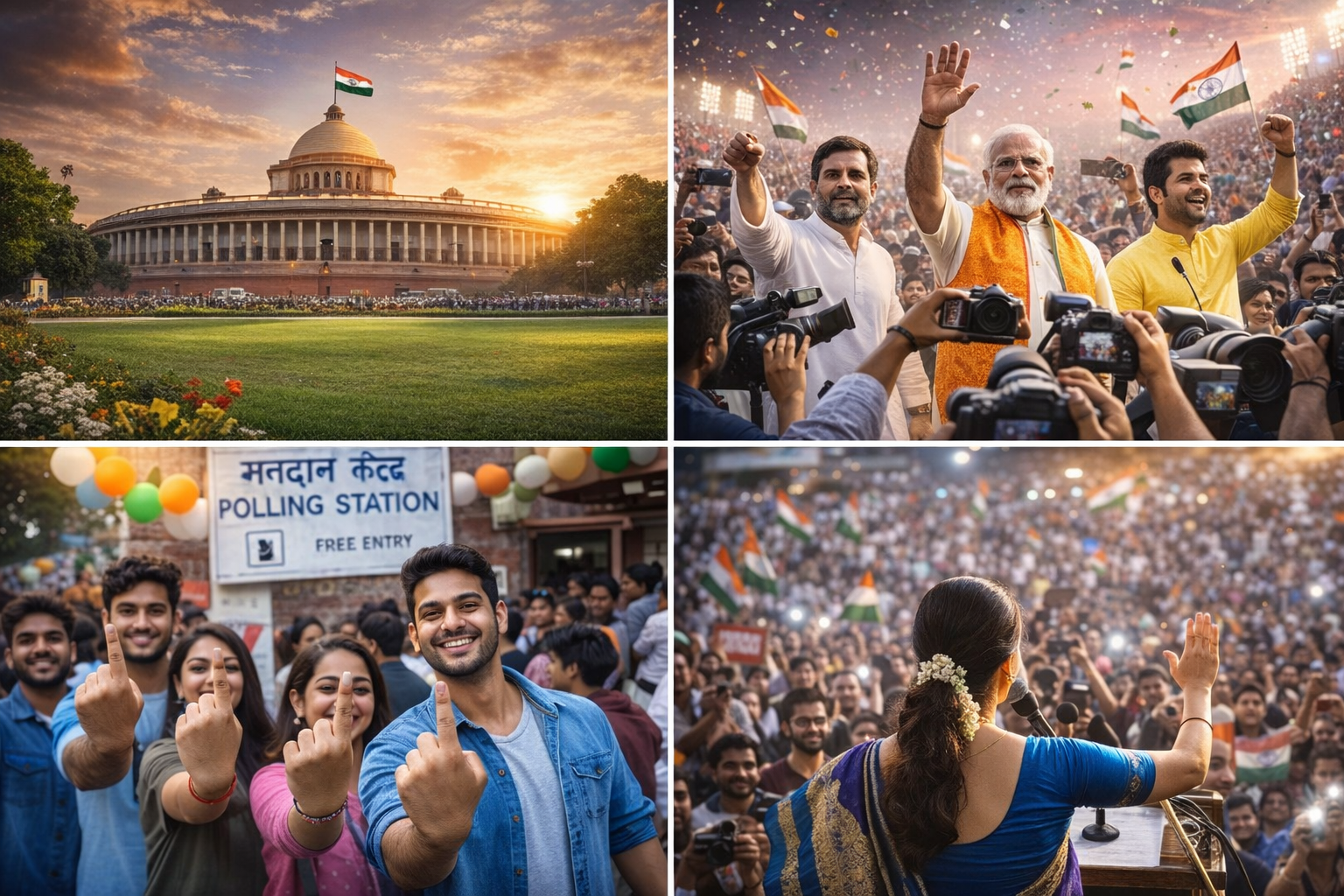
India, the world’s largest democracy, is home to a diverse political landscape that constantly evolves with changing times. Indian politics in 2026 is shaped by multiple factors, including socio-economic changes, technology, youth participation, and global influence. Understanding these trends is crucial for citizens, analysts, and anyone interested in the democratic process.
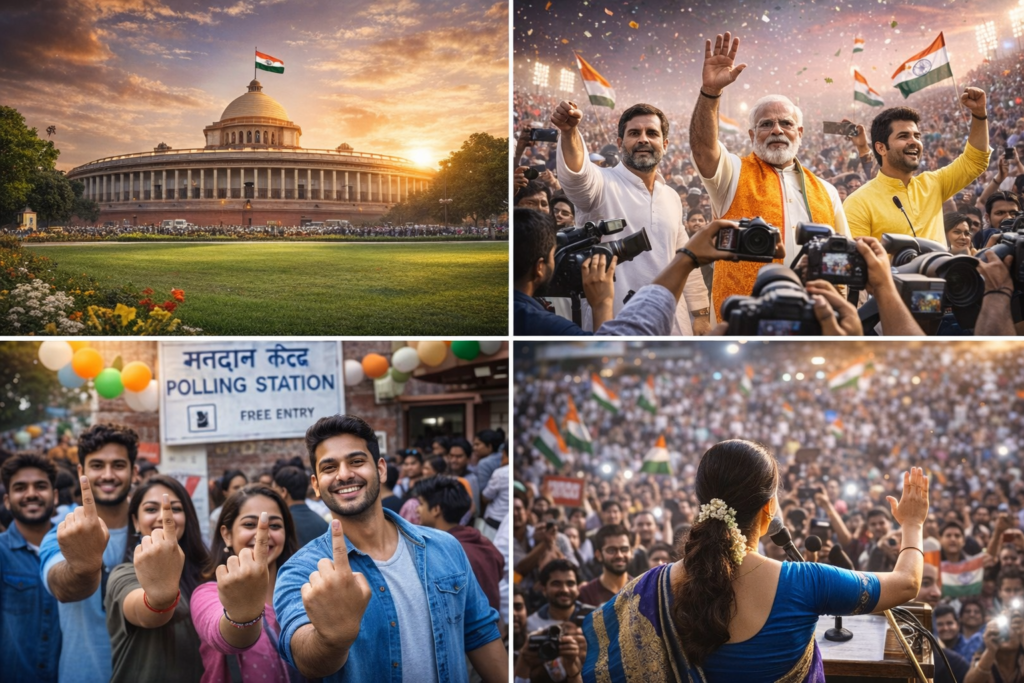
Key Political Trends in India 2026
1. Rise of Regional Parties
While national parties like BJP and Congress remain influential, regional parties have gained prominence in shaping policies at the state level. Parties in states such as Tamil Nadu, West Bengal, and Maharashtra are increasingly asserting their role in national coalitions, making Indian politics more complex and multi-dimensional.
2. Youth Participation in Politics
With India’s population skewed toward youth, young leaders are entering politics in large numbers. Social media campaigns and digital engagement have empowered the younger generation to influence policy debates, demand accountability, and participate in elections actively.
3. Technology and Politics
Digital platforms are transforming Indian politics:
- Election campaigns are now run via WhatsApp, Instagram, and Twitter.
- E-governance tools ensure transparency and voter participation.
- Fake news and misinformation remain challenges, prompting stricter regulation.
4. Women in Politics
Women’s representation is slowly increasing in Parliament and state assemblies. Initiatives like women-focused welfare schemes and leadership training programs encourage female participation, contributing to a more inclusive political environment.
5. Coalition Politics and Alliances
India’s federal structure encourages coalition governments. Political alliances often shift based on regional priorities, policy demands, and election results. Coalition politics reflects the diversity of India and highlights the importance of negotiation and compromise in governance.
Current Challenges in Indian Politics
- Corruption and transparency issues remain a significant concern for citizens.
- Polarization and regional divides sometimes affect national harmony.
- Climate and development debates are becoming increasingly central in political discourse.
Despite these challenges, India’s democratic institutions continue to adapt, evolve, and function, reflecting the resilience of its political system.
The Future of Indian Politics
Experts predict that Indian politics will be influenced by:
- Increased youth and women participation
- Digitalization of campaigns and governance
- Greater focus on economic growth, environment, and social justice
- Emerging regional leaders who challenge traditional national powerhouses
The combination of these factors will likely create a dynamic and evolving political landscape in India, making citizen engagement more important than ever.
Conclusion
Indian politics is a vibrant mix of tradition and modernity. It is influenced by historical legacies, demographic shifts, technological innovations, and global trends. As India moves further into 2026, citizen awareness, participation, and dialogue will play a key role in shaping the future of its democracy.
Thank you so much.. Valuable website
Nice website